On a Replacement Cost policy, your Georgia roof claim is paid in two checks, and the recoverable depreciation deadline is the thing that decides whether you ever see the second one. The first check is the Actual Cash Value, the depreciated amount, issued when the claim is approved. The second is the recoverable depreciation, released after the work is done. That second check is often the larger of the two, and it is the one homeowners around North Atlanta lose most often. If you are still fuzzy on why the first check is smaller, the split is laid out in plain terms in ACV vs RCV on a roof claim.
Why it gets lost: there is a deadline, and a condition. The carrier releases recoverable depreciation only after the work is actually completed and you submit the final invoice and proof. Most policies put a time limit on that. In Georgia I most often see a 180-day window from the date of loss on the standard homeowner forms, and longer windows, up to a year or even two, on some carriers and on the larger insurers writing in the Atlanta metro. The exact number is printed in your policy, usually near the loss-settlement clause. Miss the window, or never complete the work to the approved scope, and the depreciation stays with the insurer. The first move on any open claim is to pull your paperwork and find that date.
The trap is the ACV check that feels like enough. A homeowner in Cherokee or north Fulton gets the first check, finds a roofer who will do a partial or cut-rate job for roughly that amount, and calls it done. The roof is technically replaced, but the documentation needed to recover the depreciation was never produced, or the deadline quietly passed. The second check, sometimes the bigger half of the claim, is gone. This is also why the storm chasers working a Georgia neighborhood push you to sign fast and finish cheap. The cheap job leaves your depreciation on the table, and they are three counties away by the time you notice.
What actually triggers the release: the completed scope matches the approved estimate, the invoice reflects it, and the paperwork lands before the deadline. Drip edge, underlayment, flashing, ridge. If the approved scope included those items and the finished work did not, the carrier can hold the depreciation. Those are the same line items insurers routinely miss or short on the first estimate, so they cut both ways: missing on the way in costs you scope, and missing on the way out costs you the depreciation check.
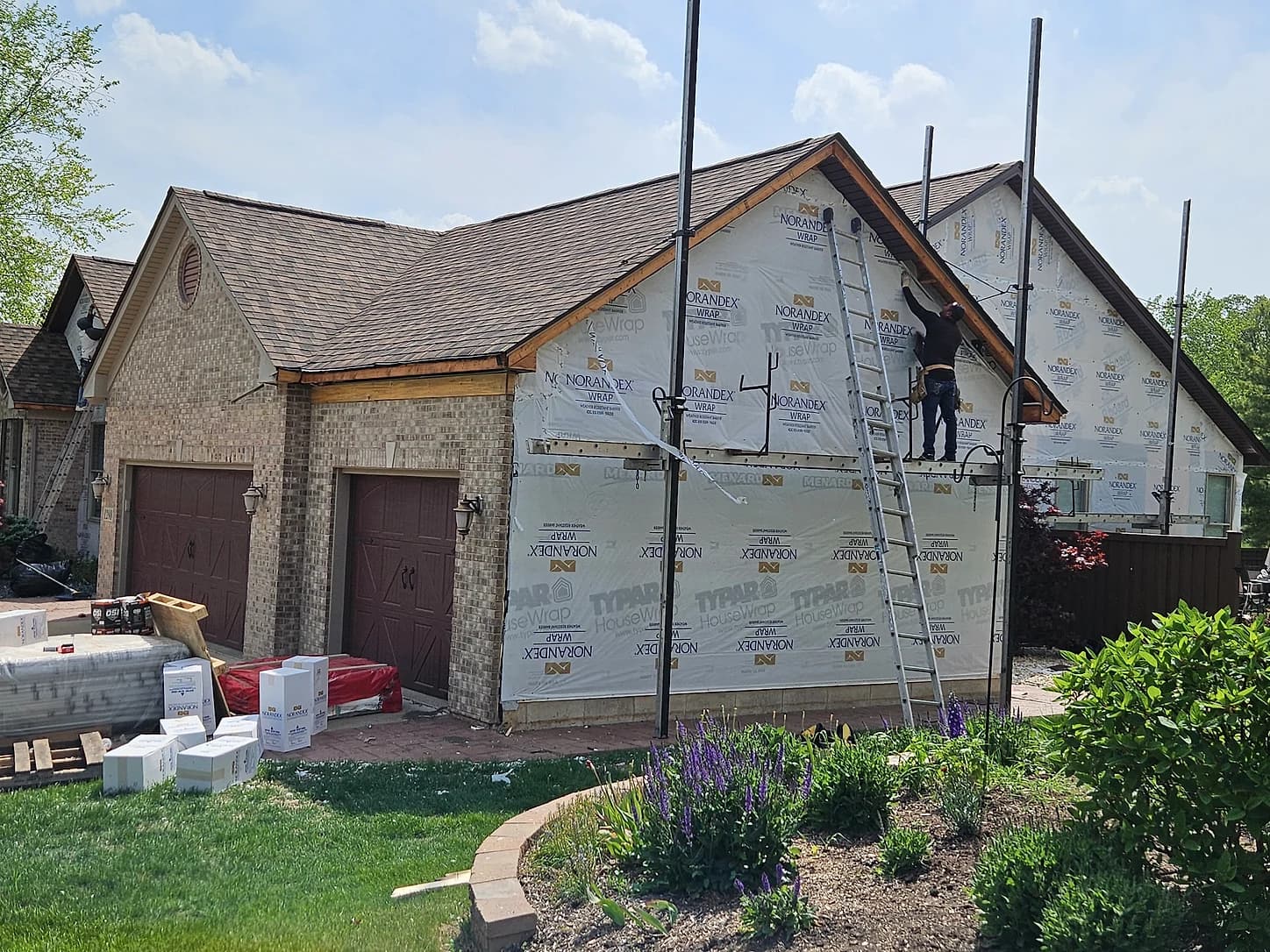
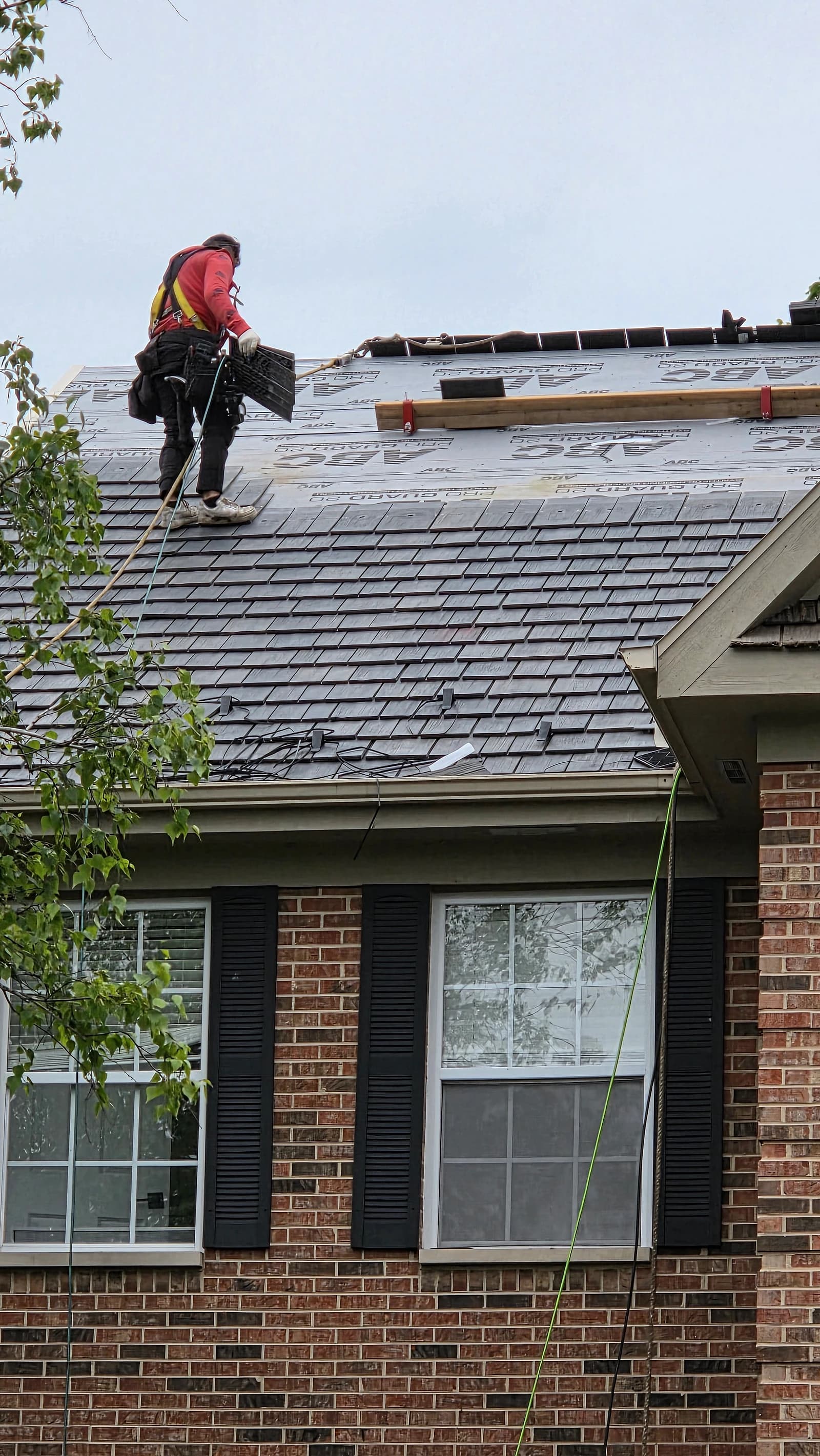
This is documentation work, and it is the part most roofers skip. Here is the honest division of labor: you work with your insurer, and we document the roof and do the work. We complete the roof to the approved scope, invoice to match it, and put together the photos and proof the carrier needs to release the depreciation before the clock runs out. Don worked claims from the adjuster's side for five years before starting DJK, which is two decades of restoration ago, so he knows what a carrier requires to cut that second check and what gives them a reason not to. That is also why the person who quotes the roof at DJK is the owner, not a commission rep.
If you have an open claim and an ACV check sitting in a drawer, the most useful thing you can do today is read your policy and find your recoverable depreciation deadline. We will go through the paperwork with you and tell you honestly how much is still recoverable and how long you have to claim it. If you would rather just talk it through, reach out and bring the estimate.