A roof insurance claim is usually won or lost in the first 48 hours after a storm, long before any check is written. After that window, two things start working against the homeowner: the weather alters the evidence on the roof, and the carrier's loss-adjuster queue backs up. Both tend to shrink the eventual payout. Here is the order of operations I give every homeowner in the North Atlanta metro after a hailstorm rolls through Cherokee or Forsyth County. I'm Don, I've spent two decades in restoration and five of those years on the insurance side reading claims, so this is the sequence from both chairs.
Hour 1 to 6: document everything visible from the ground. Walk the perimeter of the house and photograph every elevation, raw, no filters, no cropping. Get a wide context shot of each side plus closeups of anything that looks off: bruised siding, dented gutters, downspouts, screens, the AC fins. Most phones stamp the date and GPS into the photo metadata, and that timestamp matters later when the carrier wants the loss date pinned to the storm. If you want a checklist of what reads as real damage versus normal wear, our guide on how to spot storm damage from the ground walks through it.
Hour 6 to 24: call your insurance company and open the claim. This is the most important call you make. Tell them you had a storm event, you suspect roof damage, and you want a claim number assigned with the date of the storm. That is it. Do not lock in an inspection time yet, and do not agree to anything else on that first call. You just want the claim opened and dated, because a loss date that matches the actual storm is what keeps the claim alive weeks later.
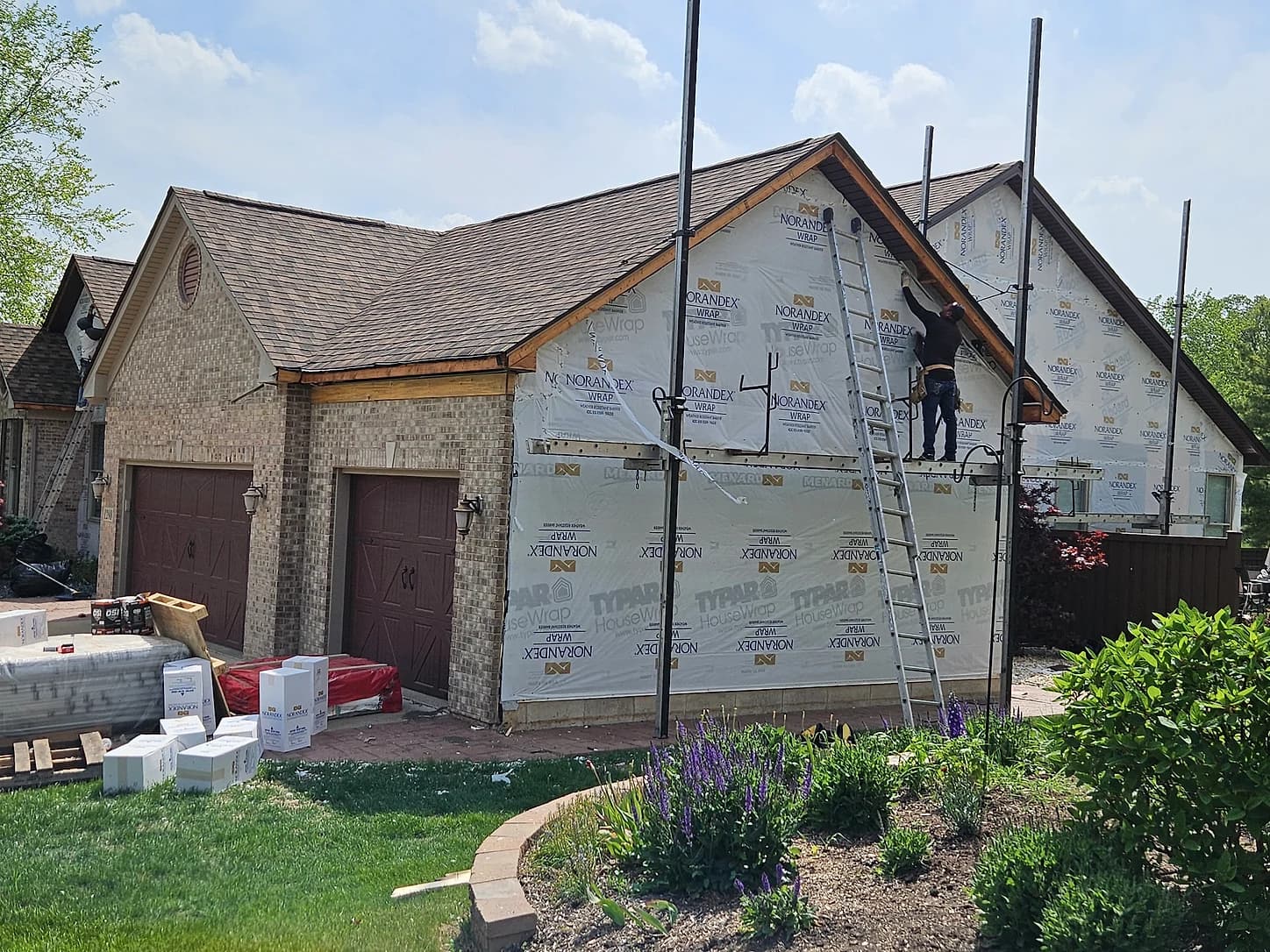
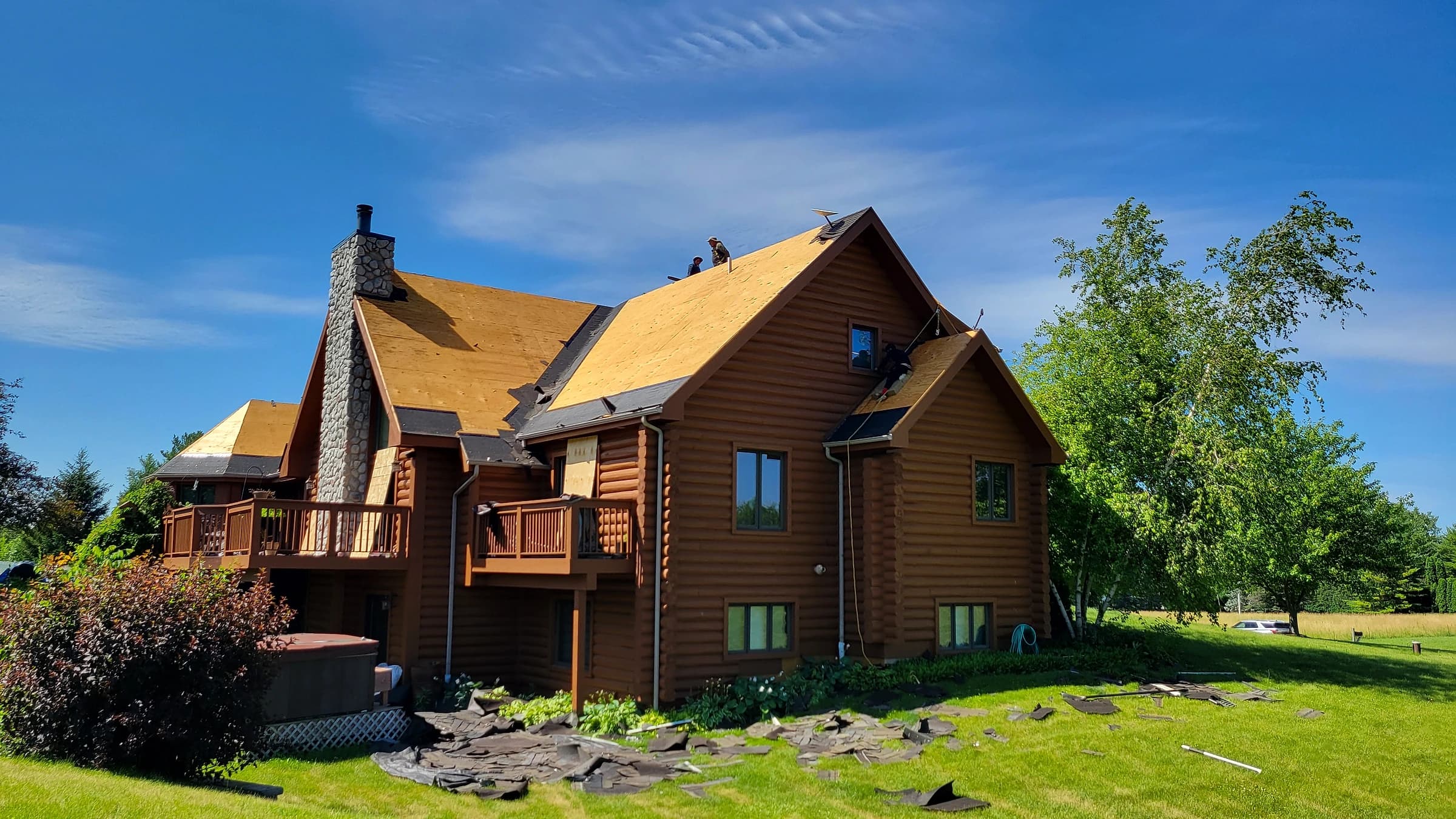
Hour 24 to 48: get an independent roof inspection. Before the carrier's adjuster ever climbs up, you want your own record of what is actually on the roof. We climb it, walk every elevation, and produce a dated photo report written in the language a carrier reads: Xactimate line codes, material specs, slope measurements. That document is what keeps a real claim from being settled short. The honest division of labor here is simple. You work with your insurer on the claim itself, and we document the roof and do the work. We do not file, negotiate, or speak to your carrier on your behalf.
The first week: have your documentation ready for the adjuster's visit. When the carrier's adjuster comes out, the most useful thing you can hand them is a complete, dated record of the roof: the soft-metal hits on vents and flashing, the granule loss, the collateral on gutters and screens, all photographed before anyone walked it again. Good documentation does the talking. If the first estimate still comes back light, it is usually because of the small items that get skipped, which is its own topic in our piece on the line items insurers commonly miss.
Watch the money side, because this is where most homeowners actually lose. A great many roofs get approved and then settled at Actual Cash Value, the depreciated number, and the homeowner pockets that first check and never recovers the rest. Understanding how ACV and RCV decide what your policy pays is the difference between getting your whole roof covered and leaving thousands on the table. The depreciation is usually recoverable once the work is completed to the approved scope and invoiced, and there is a deadline on it.
What NOT to do in the first 48 hours. Do not let any roofer onto your roof who offers to absorb or waive your deductible. That is illegal in Georgia and in most states, and a contractor who opens with it is telling you how they cut corners later. Do not sign anything that hands a contractor the right to communicate with your carrier on your behalf, because that is the work of a licensed public adjuster, and in Georgia a roofer is not permitted to do it. And do not stall the claim hoping the damage gets worse and pays more. It does get worse, but the claim usually gets denied because the loss date no longer lines up with the storm. File early, document thoroughly, and keep the roles clean: you and your insurer handle the claim, we handle the roof.